Navigate by country:

Heerlen, in The Netherlands, started as a POWER UP pilot. It shifted midway from pilot to replicator, as the team faced technical and organisational challenges to set up a stable
business model. As of 2024 the municipality focused on capacity-building and knowledge-sharing on energy poverty solutions. Heerlen observed the four European pilots that acted as “living labs”: each of them implemented novel business models around renewable energy or energy efficiency services together with households affected by energy poverty and with local stakeholders (municipalities, social organisations, energy utilities, citizen cooperatives etc.).
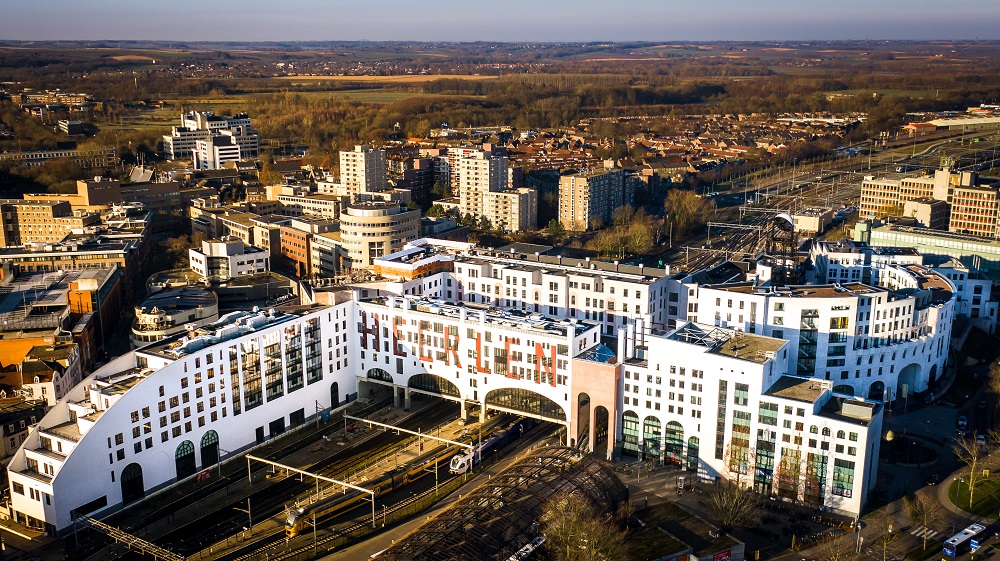
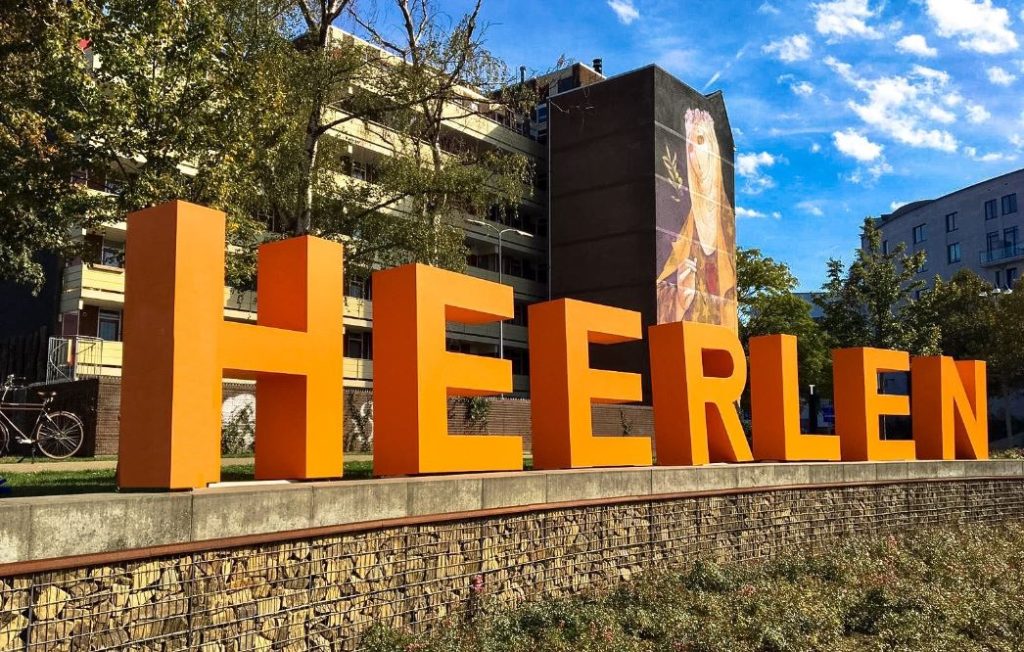

A national definition of energy poverty exists. It sets the limit for households that spend 10% of their monthly income on their energy bill and do not earn more than € 14 000 a year. In 2020, 23% of the city’s inhabitants were 65 years or older and 13% younger than 15. Moreover, 39% have a lower education level (30% at national level). Over the last years the city has implemented several projects to help people make energy savings, including an energy one-stop-shop and visits by an energy team.
Because of a national grant, residents can get free vouchers for products and/or advice . As part of the city solar panel project a decision was made to waver a credit verification for people to get a loan from the municipality. The main reason was to give people with lower incomes the possibility to join the project.
Recently the region Parkstad Limburg, started an action for a new regional strategy for a fast intervention pending on the fast-rising energy prices. For 2022 there is an extra national grant for quick interventions. The province of Limburg also started extended research, together with TNO to support common solutions to fight energy poverty. General ambition for the municipality is that the energy transition should be inclusive.
→ Regulatory and legal uncertainty prior to the implementation of the new Dutch energy law (2025), which recognises energy communities.
→ Technical challenges around rooftop PV deployment and preliminary retrofitting.
→ Difficulty securing long-term buy-in from local (including political) stakeholders and sharing risks of non-repayment.

→ Feasibility study: The municipality planned to develop and run a pilot together with vulnerable households to place solar panels on roofs, potentially with the cooperative model. Initial studies assessed rooftop PV potential and retrofitting options in a large neighborhood. POWER UP interventions were planned in two blocks of houses. Most dwellings were privately owned, making renovation unaffordable for many energy-poor residents. Heerlen reworked its model with the local working group to
try to refine the governance, technical and financial details of the model, but failed.
→ Connection and outreach: While partnership talks with energy cooperatives and housing corporations did not yield results, the municipality organised knowledge-sharing events with Dutch stakeholders and other municipalities to share own and other pilots’
learnings from POWER UP. Heerlen also closely followed other POWER UP pilots, to be able to advance on their models later, based on the insights from the project.
Located in the South-East of The Netherlands, 87.000 inhabitants.

Each pilot organisation has found a ‘sparring partner’ organisation in its region which expressed its intention to replicate the pilot scheme.