
The EU is strongly committed to tackling energy poverty and protecting vulnerable consumers, as part of its objective to ensure that the green energy transition is fair and just. This Autumn, the EU Commission has published updated recommendations to tackle energy poverty across Europe. It outlines how energy poverty is addressed in the new EU legal framework. A so-called Staff Working Document accompanies this Recommendation. Building on the 2020 Recommendation on energy poverty, it explains how energy poverty can be diagnosed at national level. In view of the updating of Member States’ National Energy and Climate Plans, it analyses in detail the various types of measures and policies that can be adopted to tackle energy poverty, including good practices thereof.
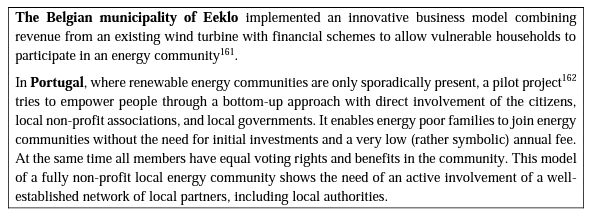
POWER UP is all about pushing cities beyond their firefighter role. We are promoting structural solutions to energy poverty, namely energy services that have a social purpose and impact. Our way to co-design those services with people in energy poverty must have impressed the EU Commission. The authors of this latest guidance on energy poverty mention our work in general and highlight the innovative approach that is being implemented in our pilot city Eeklo in particular (see extract below).

Cities must go beyond their firefighter role: structural solutions are needed.
Read the full document: COMMISSION STAFF WORKING DOCUMENT EU guidance on energy poverty